
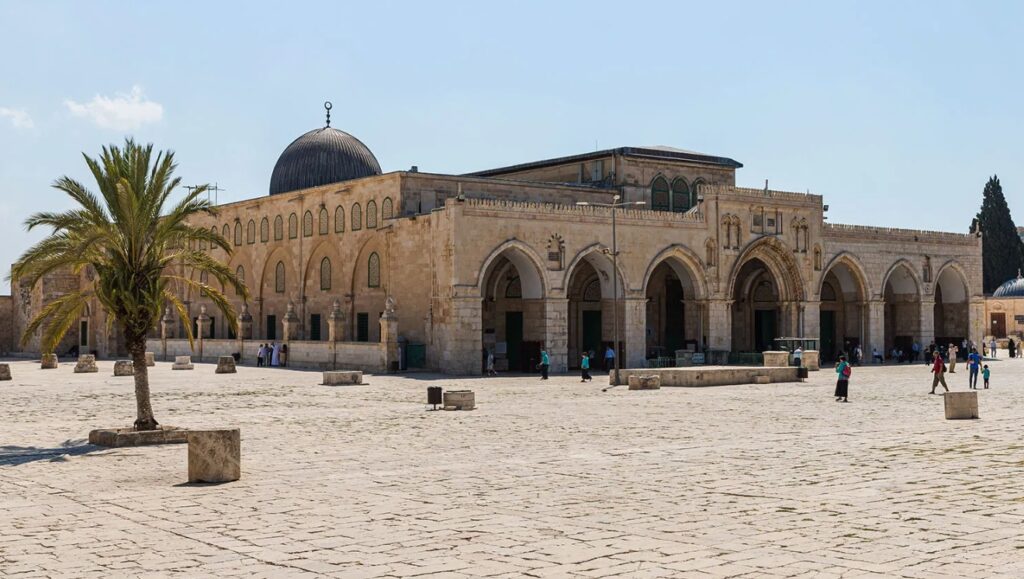
The Aqsa Masjid (Mosque), also known as the Qibli Mosque or Qibli Chapel
This is one of the poems I have written, titled Al-Isrā’ wa-al-Miʿrāj: The Night of Divine Nearness.
I am releasing my first book of the year, a collection of Islamic poetry deeply rooted in the Qur’an and the Sunnah – very shortly.
Upcoming book: Whispers of the Soul: Poetry for the Heart’s Return to Allah (SWT)
Author: Dr Thamina Anwar
Note: Many of the poems in this collection were written while I was caring for my late mother. As a result, the book includes a significant reflection on death, loss, and returning to Allah—viewed through an Islamic lens.
If you find any mistakes, please let me know.
Al-Isrā’ wa-al-Miʿrāj: The Night of Divine Nearness
بِسْمِ اللَّهِ الرَّحْمَٰنِ الرَّحِيمِ
Glory to Allah, سُبْحَانَهُ وَتَعَالَى (Glorified and Exalted is He),
Who called His Beloved ﷺ one night, وَالْهَوَى سَاكِن (wa-l-hawā sākin — and the air was still).
Not dream nor myth, وَلَا كِلَام فَاضِي (wa-lā kalām fāḍi — nor idle talk)—but truth beyond dispute—
A journey sealed by revelation, divinely absolute.
سُبْحَانَ الَّذِي أَسْرَىٰ بِعَبْدِهِ لَيْلاً…
Glory be to Him who took His servant by night
From الْحَرَم الْمَكِّي (al-Ḥaram al-Makki — the Meccan Sanctuary) to الْمَسْجِد الْأَقْصَى (al-Masjid al-Aqṣā),
Whose surroundings We have blessed,
To show him of Our signs.
(Qur’an 17:1)
From Makkah’s sacred sanctuary he rose,
Carried upon الْبُرَاق (al-Burāq), swift as divine decree.
The earth طَاظَتْ تَحْتَهُ (ṭāẓat taḥtuh — folded beneath him), time bent to command,
As angels whispered, “يَا رَحْمَةَ اللهِ، تَفَضَّل“ (Yā Raḥmat Allāh, tafaḍḍal — O Mercy of God, proceed).
There he stood, خَاتَم النَّبِيِّين (Khātam an-Nabiyyīn — the Seal of the Prophets),
Leading every Prophet in prayer—
آدَم وْنُوح (Ādam w-Nūḥ), إِبْرَاهِيم وْمُوسَى (Ibrāhīm w-Mūsā),
عِيسَى (ʿĪsā) and those Allah chose and sent.
Then the ascent—بَاب وَبَاب (bāb wa-bāb — gate by gate), سَمَا وَسَمَا (samā wa-samā — heaven by heaven)—
As جِبْرِيل (Jibrīl) sought permission: “افْتَحُوا لِخَيْر الْبَرِيَّة“ (Iftaḥū li-khayr al-bariyyah — Open for the best of creation).
In the First Heaven, آدَم (Ādam) greeted his son, وَابْتَسَم (wa-btasam — and he smiled).
In the Second, عِيسَى وْيَحْيَى (ʿĪsā w-Yaḥyā) stood in grace, نُور عَلَى نُور (nūr ʿalā nūr — light upon light).
In the Third, يُوسُف (Yūsuf) shone, وَجْهُهُ مِثْل قَمَر (wajhuhu mithl qamar — his face like the moon).
In the Fourth, إِدْرِيس (Idrīs)—raised high, رَجُل صَبُور (rajul ṣabūr — a patient man).
In the Fifth, هَارُون (Hārūn), الْحَبِيب (al-ḥabīb — the beloved), surrounded by his people.
In the Sixth, مُوسَى (Mūsā) wept, قَال: يَا رَبِّ، أُمَّة مُحَمَّد كَثِير (qāl: Yā Rabb, ummat Muḥammad kathīr — He said: O Lord, Muhammad’s Ummah is many!).
In the Seventh, إِبْرَاهِيم (Ibrāhīm) reclined near الْبَيْت الْمَعْمُور (al-Bayt al-Maʿmūr).
Then beyond, to سِدْرَة الْمُنْتَهَى (Sidrat al-Muntahā)—
Where everything stops, وَالْقَلَم وَقَف (wa-l-qalam waqaf — and the pen ceases).
جِبْرِيل (Jibrīl) said: “لَوْ دَنَوْتُ أَنْمْلَة لَاحْتَرَقْت“ (Law danautu anmula laḥtaraqt — If I advanced a fingertip, I would burn).
And there the Beloved ﷺ was honoured as none before—
مَا تَوَّجُوهُ بِذَهَب (mā tawwajūhu bi-dhahab — They did not crown him with gold),
But with nearness, وَالْقُرْب وَالنُّور (wa-l-qurb wa-n-nūr — and proximity and light).
ثُمَّ دَنَا فَتَدَلَّىٰ، فَكَانَ قَابَ قَوْسَيْنِ أَوْ أَدْنَىٰ…
There الله (Allāh) spoke, بَدُوّ بِلَا وَاسِطَة (baduww bilā wāsiṭah — directly, without intermediary),
Giving the الصَّلَاة (aṣ-Ṣalāh)—first fifty, then five,
بَسْ رَحْمَتُهُ وَاسِعَة (bas raḥmatuh wāsiʿah — but His mercy is vast).
A daily مِعْرَاج (Miʿrāj) for us left behind,
سُلَّم لِلْقَلْب الْمَكْسُور (sullam li-l-qalb al-maksūr — a ladder for the broken heart).
He returned قَبْل مَا يِطْلَع الْفَجْر (qabl mā yiṭlaʿ al-fajr — before dawn broke),
Bearing truth the mockers denied.
But الصِّدِّيق (aṣ-Ṣiddīq) said: “صَدَقْتَ، يَا رَسُول الله“ (Ṣadaqta, yā Rasūl Allāh).
وَكَلِمَة “صَدَّق” خَلَّدَت اسْمَه (wa-kalimat “ṣaddaq” khalladat ismuh — and the word “He believed” immortalized his name).
يَا أُمَّة (Yā Ummah — O Ummah), this was not a journey فِي الْمَكَان (fī al-makān — in space),
But a declaration: بَعْد الْكَرْب فَرَج (baʿd al-karb faraj — after hardship comes relief),
وَطَرِيق الله الصَّلَاة (wa-ṭarīq Allāh aṣ-Ṣalāh — and the path to Allah is Prayer).
Concluding Duʿā’
يَا رَبَّ الْإِسْرَاء وَالْمِعْرَاج (Yā Rabba al-Isrā’ wal-Miʿrāj),
Grant us hearts that rise وْإِنَّا سَاجِدِين (w-innā sājidīn — even as we bow).
Make our prayers our عُرُوج (ʿurūj — ascent),
Our hardships our تَطْهِير (taṭhīr — purification).
اللهُمَّ (Allāhumma — O Allah), honour us as You honoured Your حَبِيبَك ﷺ (Ḥabībak — Beloved).
Grant us nearness بَدُون كِبْر (bidūn kibr — without arrogance),
Knowledge بَدُون فَخْر (bidūn fakhr — without pride),
And reunion with him ﷺ in جَنَّة الْفِرْدَوْس (Jannat al-Firdaws).
آمِين يَا رَبَّ الْعَالَمِين (Āmīn, yā Rabbal-ʿĀlamīn — Amen, O Lord of the worlds).
صَلَّى اللهُ عَلَى سَيِّدِنَا مُحَمَّدٍ وَعَلَى آلِهِ وَصَحْبِهِ أَجْمَعِين.