
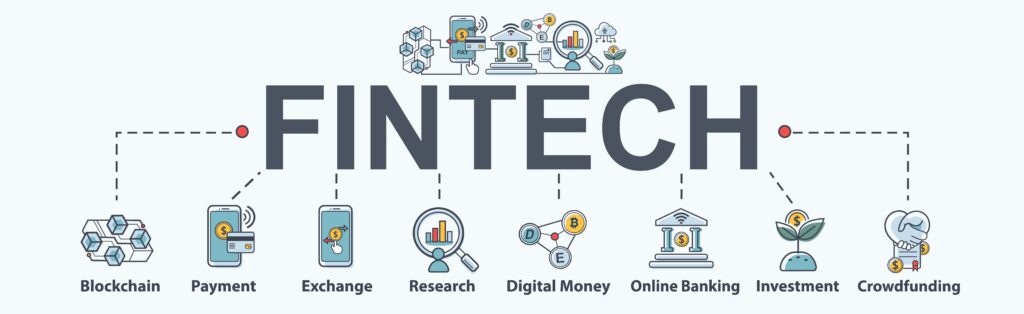
An analysis of the Fintech industry based on the Global Islamic Fintech Report 2024/25: A Comprehensive Overview of Growth, Trends, and Market Potential
The Global Islamic Fintech Report 2024/25 — now in its fourth annual edition — provides a comprehensive analysis of the global Islamic fintech ecosystem, mapping current trends, market dynamics, and future growth opportunities. Prepared collaboratively by DinarStandard and Elipses, the report serves as a valuable resource for policymakers, investors, industry practitioners, and innovators navigating this rapidly evolving sector.
Market Size and Growth Trajectory
The report estimates the global Islamic fintech market’s transaction volume at approximately USD 161 billion for the 2023/24 period, with projections indicating that this figure could more than double to USD 306 billion by 2028, representing a compound annual growth rate (CAGR) of around 13.6%. This growth outpaces that of the broader global fintech industry, which is estimated to expand at a CAGR of 11.0% over the same period.
This trend highlights Islamic fintech’s expanding influence within the global financial technology landscape — driven by demographics, increasing digital adoption, ethical finance demand, and supportive regulatory developments. The growth signals that Islamic fintech is transitioning from a niche segment into a significant pillar of the broader fintech ecosystem.
Geographic Leaders and the GIFT Index
The report introduces the Global Islamic Fintech (GIFT) Index, which benchmarks the conduciveness of Islamic fintech ecosystems across countries based on indicators such as talent availability, regulatory environment, infrastructure, market size, and capital access. The top ecosystems identified include Saudi Arabia, Malaysia, Indonesia, the United Arab Emirates, and the United Kingdom — countries with robust environments supporting Islamic fintech innovation.
In addition to these leading markets, the report highlights several emerging hubs showing growing potential, including Bahrain, Pakistan, Qatar, and Türkiye, suggesting that smaller or developing markets are beginning to strengthen their fintech ecosystems.
Key Opportunities and Challenges
Despite the sector’s rapid expansion and rising number of Islamic fintech companies (with the report’s database including nearly 490 firms globally), the industry continues to face several challenges. Among the major hurdles identified by practitioners and service providers are:
Access to capital, particularly for early-stage innovation
Regulatory compliance complexities
Lack of customer education on Islamic fintech products
Difficulties in geographic expansion
High costs of customer acquisition
Addressing these challenges will be central to sustaining growth and supporting broader adoption, especially in underserved regions and demographic segments.
Looking Ahead
The Global Islamic Fintech Report 2024/25 underscores a future where Shariah-compliant financial technology continues to innovate and integrate with emerging technologies such as AI, blockchain, and digital assets, while promoting financial inclusion, ethical finance principles, and global connectivity. As the ecosystem matures, the report suggests greater alignment between regulation, capital formation, and technological application will be crucial for unlocking the sector’s full potential.
For the complete report, please click here: https://www.qfc.qa/-/media/project/qfc/qfcwebsite/documentfiles/research/global-islamic-fintech-report-2024-25.pdf
Yours sister,
Dr. Thamina Anwar
Please join the Global Halal Shura Hub WhatsApp community:
👉 https://lnkd.in/ecmQQGzS
🌐 Website: https://lnkd.in/eZcSnZMr
📧 Email: drthaminaanwarmedia@gmail.com; globalhalalshurahubsocialmedia@gmail.com
📘 Facebook:
https://lnkd.in/eNAF2AMu
https://lnkd.in/eMak3BgH
📷 Instagram: https://lnkd.in/eb6qc3Ak
🔗 LinkedIn:
Dr. Thamina Anwar: https://lnkd.in/e3Ci3P4S
Global Halal Shura Hub: https://lnkd.in/e7utWjix