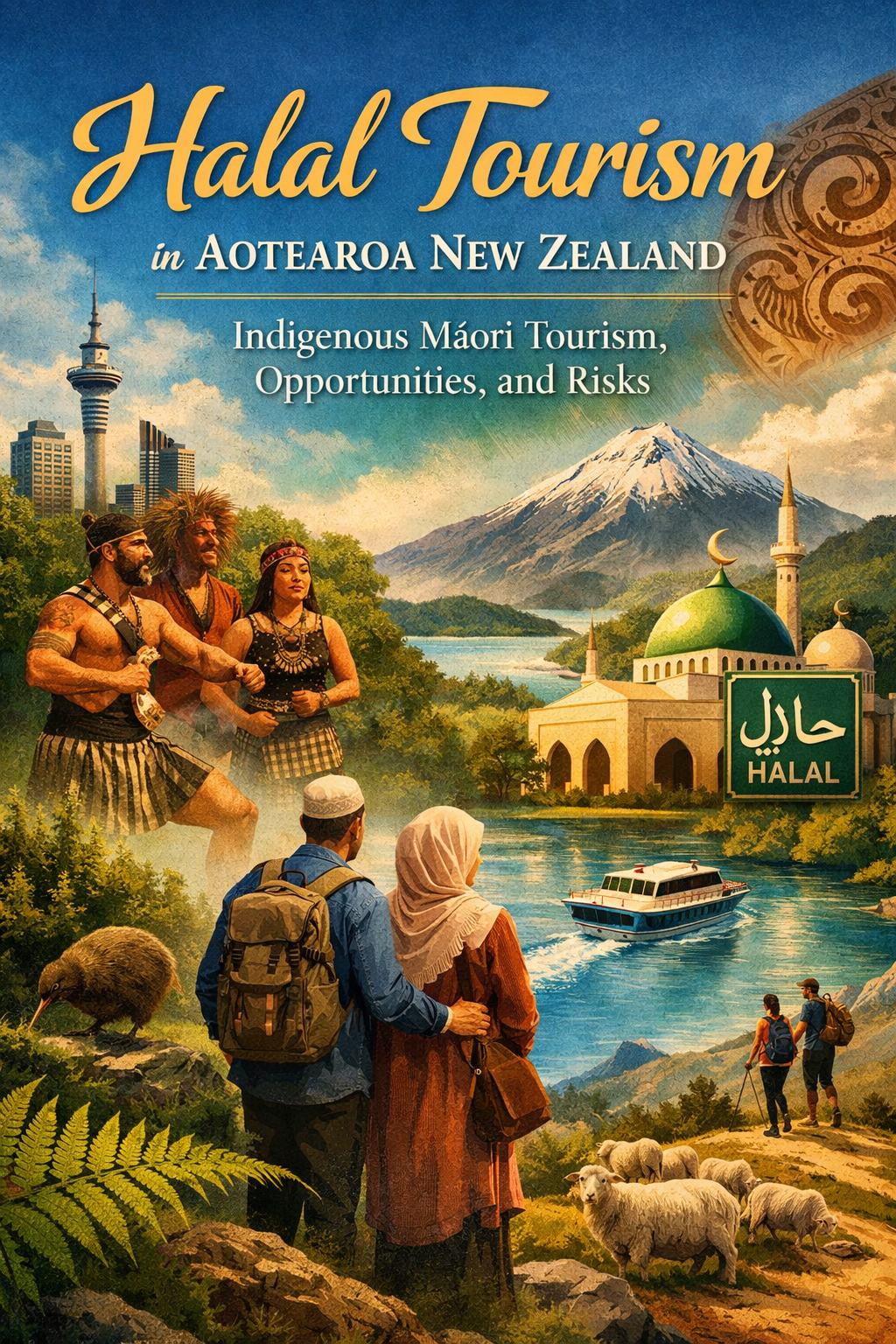
Halal Tourism in Aotearoa New Zealand: Indigenous Māori Tourism, Opportunities, and Risks
Tourism is one of the most significant contributors to the global economy and plays an essential role in cultural exchange, economic development, and international relations. In recent years, the tourism industry has increasingly diversified to accommodate the needs of specific traveler groups. One such emerging segment is halal tourism, also known as Muslim-friendly tourism. Halal tourism refers to tourism services designed to meet the religious and cultural requirements of Muslim travelers, including access to halal food, prayer facilities, modest environments, and family-friendly recreational activities. As the global Muslim population continues to grow and become more economically influential, halal tourism has emerged as one of the fastest-growing sectors in the global tourism market.
Aotearoa New Zealand has the potential to benefit significantly from this expanding market. Known for its natural landscapes, safe environment, and welcoming multicultural society, New Zealand is well positioned to attract Muslim travelers seeking unique cultural and environmental experiences. In addition to its natural attractions, the country offers rich indigenous cultural experiences through Māori tourism. Māori tourism showcases the traditions, values, and cultural heritage of the indigenous Māori people and forms a distinctive component of New Zealand’s tourism identity.
The integration of halal tourism with Māori tourism presents an opportunity to create culturally meaningful and sustainable tourism experiences. However, such integration also presents several challenges, including infrastructure limitations, cultural sensitivity issues, and market awareness. This essay examines the development of halal tourism in Aotearoa New Zealand, explores the role of Māori tourism, and evaluates the opportunities and risks associated with developing a Muslim-friendly tourism sector in the country.
Understanding Halal Tourism
Halal tourism refers to travel experiences that comply with Islamic principles and accommodate the religious needs of Muslim travelers. The concept of halal extends beyond food and includes a wide range of lifestyle and service considerations. In the tourism context, halal tourism involves providing facilities and services that allow Muslim visitors to observe their religious obligations while traveling.
Key components of halal tourism include halal-certified food, availability of prayer spaces, appropriate privacy and modesty considerations, and family-friendly environments. Hotels catering to Muslim travelers may provide prayer mats, indications of the direction of Mecca (Qibla), and halal dining options. Some destinations also develop Muslim-friendly tourism guidelines or certification systems to ensure that services meet these standards.
The global halal tourism market has expanded rapidly over the past decade. Muslim travelers represent a large and growing segment of international tourism. Increasing middle-class populations in Muslim-majority countries such as Indonesia, Malaysia, Turkey, and Gulf states have contributed to the rise in international travel among Muslim consumers. According to global tourism reports, Muslim travel expenditure is projected to reach hundreds of billions of dollars annually, making it an important economic opportunity for tourism destinations worldwide.
Several countries have already positioned themselves as leading halal tourism destinations. Malaysia, Indonesia, Turkey, and the United Arab Emirates have developed extensive halal tourism infrastructure, including halal-certified hotels, restaurants, and tour services. Non-Muslim-majority countries such as Japan, South Korea, and Thailand have also begun adapting their tourism sectors to attract Muslim visitors by increasing halal food availability and promoting Muslim-friendly travel experiences.
For countries like New Zealand, which rely heavily on tourism as an economic sector, the growth of halal tourism represents an opportunity to diversify visitor markets and enhance inclusivity within the tourism industry.
The Tourism Industry in Aotearoa New Zealand
Tourism is one of New Zealand’s most important industries and has historically been a major contributor to the national economy. Before the COVID-19 pandemic, tourism generated billions of dollars in revenue annually and supported hundreds of thousands of jobs across the country. International visitors are attracted to New Zealand primarily for its natural beauty, adventure tourism opportunities, and unique cultural experiences.
Key attractions include national parks, mountains, beaches, geothermal landscapes, and outdoor activities such as hiking, skiing, and water sports. In addition to natural attractions, cultural tourism plays a central role in the country’s tourism identity. Indigenous Māori culture is widely integrated into tourism experiences and contributes significantly to the distinctiveness of New Zealand as a travel destination.
While traditional tourist markets such as Australia, China, the United States, and Europe continue to dominate visitor numbers, tourism authorities have increasingly recognized the importance of expanding into emerging markets. Southeast Asia and the Middle East represent important growth markets due to their expanding middle classes and increasing interest in international travel.
However, to attract Muslim travelers from these regions, New Zealand must ensure that its tourism offerings accommodate Islamic lifestyle requirements. This includes increasing awareness of halal tourism and improving Muslim-friendly services across the tourism industry.
Māori Tourism in Aotearoa New Zealand
Māori tourism plays a central role in shaping New Zealand’s tourism identity. As the indigenous people of Aotearoa New Zealand, Māori communities have a deep cultural connection to the land, environment, and ancestral traditions. Māori tourism allows visitors to experience this cultural heritage through a variety of activities, including traditional performances, guided cultural tours, storytelling, and participation in community-based experiences.
Māori tourism is guided by several core cultural values that shape how visitors are welcomed and engaged. One of the most important values is manaakitanga, which refers to hospitality, kindness, and generosity towards guests. Manaakitanga emphasizes creating a welcoming and respectful environment for visitors, ensuring that they feel valued and cared for during their stay.
Another key concept is kaitiakitanga, which refers to guardianship and stewardship of the natural environment. Māori cultural traditions emphasize the protection of land, forests, rivers, and oceans for future generations. As a result, many Māori tourism experiences incorporate environmental sustainability and ecological education.
Whanaungatanga, which refers to relationships and a sense of community, also plays a significant role in Māori tourism. Tourism experiences often emphasize connections between people, history, and the land, creating meaningful interactions between visitors and local communities.
Māori tourism has grown significantly in recent decades and contributes substantially to the Māori economy. Thousands of Māori-owned tourism businesses operate across New Zealand, providing employment and economic opportunities for indigenous communities. These businesses range from cultural performance venues and guided nature tours to accommodation and adventure tourism operators.
Māori tourism is particularly strong in regions such as Rotorua, where visitors can experience geothermal landscapes alongside traditional cultural performances, carving demonstrations, and storytelling about Māori history and mythology.
Potential Synergies Between Halal Tourism and Māori Tourism
Although halal tourism and Māori tourism originate from different cultural and religious traditions, they share several underlying values that create opportunities for collaboration and integration.
One of the key similarities lies in the emphasis on hospitality. Māori manaakitanga and Islamic teachings both emphasize respect for guests and generosity towards visitors. This shared cultural value can form the foundation for developing tourism experiences that resonate with Muslim travelers.
Both Māori and Islamic traditions also emphasize respect for the natural environment. Māori kaitiakitanga highlights environmental stewardship and protection of natural resources. Similarly, Islamic teachings emphasize the concept of humans as stewards of the earth, responsible for protecting the environment. This alignment creates opportunities for eco-tourism experiences that appeal to Muslim travelers interested in sustainable tourism.
Family-oriented travel is another common feature. Muslim travelers often prefer family-friendly destinations that provide safe environments and activities suitable for all ages. Many Māori tourism experiences are designed around storytelling, cultural education, and nature exploration, which are well suited for family groups.
Integrating halal tourism considerations into Māori tourism experiences could involve providing halal food options, offering prayer spaces or quiet areas, and ensuring that cultural activities are accessible and respectful of diverse religious practices. Such adaptations could help Māori tourism operators attract Muslim visitors without compromising the authenticity of cultural experiences.
Opportunities for Halal Tourism Development in New Zealand
The development of halal tourism in New Zealand presents several opportunities for economic growth, cultural exchange, and tourism diversification.
One significant opportunity lies in the rapidly expanding global Muslim travel market. Muslim travelers represent a large and increasingly affluent demographic with strong purchasing power. Attracting even a small percentage of this market could generate substantial economic benefits for New Zealand’s tourism sector.
Another opportunity is the ability to differentiate New Zealand as a unique halal tourism destination. While many destinations focus primarily on halal food and accommodation, New Zealand can offer a combination of natural landscapes, adventure tourism, and indigenous cultural experiences. This combination creates a distinctive travel experience that cannot easily be replicated elsewhere.
Halal tourism also presents opportunities for regional development. Many tourism destinations in New Zealand are located outside major cities. Expanding Muslim-friendly services in these regions could encourage visitors to travel beyond urban areas, supporting local economies and smaller tourism operators.
Additionally, developing halal tourism can strengthen New Zealand’s reputation as an inclusive and culturally diverse destination. By accommodating the needs of Muslim travelers, the tourism industry can demonstrate a commitment to welcoming visitors from different cultural and religious backgrounds.
For Māori communities involved in tourism, halal tourism could create new market opportunities and partnerships. Collaborations between Māori tourism operators and Muslim travel agencies could lead to innovative tourism products that combine cultural education, environmental experiences, and halal hospitality.
Risks and Challenges
Despite the opportunities, several risks and challenges must be considered when developing halal tourism in New Zealand.
One of the primary challenges is the limited availability of halal-certified services outside major urban centers. While cities such as Auckland and Christchurch offer halal restaurants and mosques, many popular tourism destinations in rural areas lack such facilities. Muslim travelers may find it difficult to maintain religious practices during travel if these services are unavailable.
Another challenge relates to cultural sensitivity. Māori cultural traditions must be presented authentically and respectfully. Tourism development that prioritizes commercial gain over cultural integrity could lead to the commodification or misrepresentation of indigenous culture. Ensuring that tourism experiences remain culturally respectful is essential for maintaining the integrity of Māori heritage.
Market awareness is also a significant issue. New Zealand is not widely recognized as a halal tourism destination. Compared to countries with established Muslim-friendly tourism policies, New Zealand has relatively limited marketing and promotion targeting Muslim travelers. Increasing awareness in key markets will require strategic marketing campaigns and partnerships with international travel agencies.
Operational costs present another potential barrier. Implementing halal certification, training staff in cultural awareness, and adapting tourism services may require financial investment. Smaller tourism operators may face difficulties implementing these changes without government support or industry collaboration.
Finally, New Zealand’s geographic location presents logistical challenges. The country is relatively distant from many major Muslim markets, particularly those in the Middle East and Europe. Long travel times and higher airfare costs may discourage some travelers from choosing New Zealand over closer destinations.
Strategies for Sustainable Halal Tourism Development
To successfully develop halal tourism while minimizing risks, several strategic approaches can be implemented.
One important strategy is the development of Muslim-friendly tourism guidelines and certification systems. Tourism authorities can provide clear standards for halal food preparation, accommodation services, and prayer facilities to help businesses meet the needs of Muslim travelers.
Collaboration between government agencies, tourism organizations, and Māori communities is also essential. Partnerships can help ensure that halal tourism development aligns with cultural values and supports indigenous economic development.
Education and training programs can help tourism operators understand the needs of Muslim travelers. Staff training in cultural awareness and religious sensitivity can improve the overall visitor experience and prevent misunderstandings.
Marketing strategies should focus on key source markets with high Muslim travel demand, such as Indonesia, Malaysia, and the Gulf states. Promoting New Zealand as a Muslim-friendly destination through digital campaigns, travel exhibitions, and partnerships with Muslim travel platforms can increase visibility in these markets.
Finally, sustainability should remain a central focus of tourism development. Aligning halal tourism with Māori principles such as kaitiakitanga can ensure that tourism growth does not harm the environment or local communities.
Conclusion
Halal tourism represents a significant emerging opportunity for Aotearoa New Zealand’s tourism industry. As the global Muslim travel market continues to expand, destinations that adapt to the needs of Muslim travelers will be better positioned to attract this growing segment.
New Zealand’s combination of natural landscapes, safe travel environment, and indigenous cultural experiences provides a strong foundation for developing Muslim-friendly tourism. Māori tourism, with its emphasis on hospitality, environmental stewardship, and cultural education, offers unique opportunities to create meaningful travel experiences for Muslim visitors.
However, the development of halal tourism must be approached carefully to address challenges such as limited infrastructure, cultural sensitivity, market awareness, and geographic distance. By implementing strategic policies, strengthening partnerships, and maintaining respect for indigenous culture, New Zealand can develop a sustainable halal tourism sector that benefits both local communities and international visitors.
In the long term, integrating halal tourism with Māori tourism may create a distinctive niche within the global tourism industry. Such integration has the potential not only to generate economic growth but also to promote intercultural understanding and respectful engagement between visitors and the rich cultural heritage of Aotearoa New Zealand.
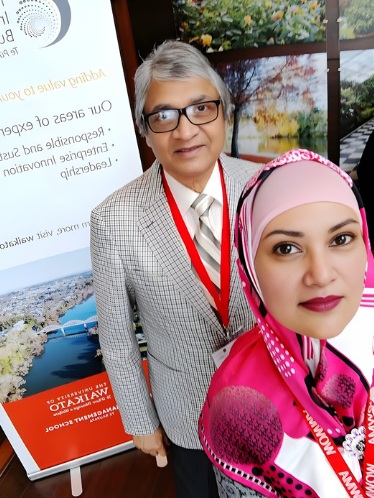
Note: I wrote this article in memory of Professor Dr. Asad Mohsin of the University of Waikato, who passed away on 7 March 2026. He was a passionate advocate for Halal tourism in Aotearoa New Zealand. The accompanying photo was taken with him at a Halal Tourism conference he organised at the University of Waikato.
Dr. Mohsin and I go a long way back, and I had the privilege of knowing him not only as an accomplished academic but also as a kind, thoughtful, and inspiring individual. His wisdom, generosity, and dedication to education and the wider community touched many lives and will be remembered by all who had the honour of working with him. We were even planning to organise a webinar on Halal tourism together, and he was a valued member of the Global Halal Shura Hub WhatsApp group. Losing someone of his calibre is a great loss not only to those who knew him personally but also to the broader academic and professional community. I will always cherish the memories and meaningful conversations we shared over the years.
May Allah (SWT) forgive his shortcomings, accept his good deeds, and grant him the highest place in Jannah (Jannatul Firdaus). May Allah also grant patience, comfort, and strength to his family, friends, students, and all who mourn his loss. Inna lillahi wa inna ilayhi raji’un.
Please kindly keep him in your doa.
Yours sister,
Dr. Thamina Anwar
CEO and Founder
Global Halal Shura Hub
please Join the Global Halal Shura Hub Community
📱 WhatsApp Community
👉 https://chat.whatsapp.com/CZJshg7AycWFJd3CyhSWj3
🌐 Website
https://globalhalalshurahub.com
📧 Email
thaminaanwar11@gmail.com; globalhalalshurahubsocialmedia@gmail.com
📘 Facebook
https://www.facebook.com/profile.php?id=61588247732733
https://www.facebook.com/profile.php?id=61588077462429
📷 Instagram
https://www.instagram.com/globalhalalshurahub/
🔗 LinkedIn
https://www.linkedin.com/in/dr-thamina-anwar-806124145/
https://www.linkedin.com/in/global-halal-shura-hub-dr-thamina-samina-anwar-05418b398/
📺 YouTube Channel
https://www.youtube.com/@GlobalHalalShuraHub